
Key Points
- The US FDA plans to ban synthetic food dyes by 2027, significantly impacting grocery stores and school lunches.
- The decision aims to enhance food safety and public health, by removing potentially harmful additives.
- Food manufacturers are encouraged to adopt natural color additives.
- The FDA's actions are driven by studies linking synthetic dyes to childhood hyperactivity, ADHD, and potential carcinogenic risks.
- Major food companies are pledging to reduce or eliminate synthetic dyes.
In an era where health consciousness is on the rise, recent developments in food safety are making headlines.
The US Food and Drug Administration is set to ban synthetic food dyes, reshaping grocery store shelves and school lunch options.
While the colors of our foods may change, the commitment to healthier ingredients represents a positive trend for consumers who are focused on their health and well-being. Perhaps most importantly, it's an actionable step to increase the safety of the food we feed to our children.
The bans are also a reminder to consider other areas of our lives where eradicating harmful additives is a good health decision.
Delve into the details of this decision and discover how it's a hopeful change in our approach to food safety and nutrition!
A Turning Point in Food Safety
On April 22, 2025, the Food and Drug Administration and the Department of Health and Human Services announced a long-term important decision aimed at enhancing food safety and public health by phasing out petroleum-based synthetic food dyes by 2027. (1) The initiative addresses growing concerns over the potential health risks associated with synthetic color additives.
It's a significant shift towards cleaner, more natural ingredients in the food industry, reflecting an increasing demand for transparency and safety in food labeling.
The dyes that will be removed under this new guideline include some of the most commonly used synthetic color additives:
- FD&C Red No. 40
- Yellow 5
- Yellow 6
- Blue 1
- Blue 2
- Green 3
- Orange B
These dyes are widely used in a variety of products, including candies, beverages, baked goods, and snack foods. The FDA's decision is based on numerous studies linking these synthetic dyes to numerous health issues. (2)
The overarching goal of this policy encourages food manufacturers to explore and adopt natural color additives, creating a more sustainable and health-conscious marketplace!
Natural alternatives, such as butterfly pea flower extract and Galdieria blue, are emerging as viable substitutes, offering vibrant colors without the associated health risks of petroleum-based dyes. (3) These natural colorants not only provide appealing visual attributes to food products but also align with health-conscious consumer preferences for clean, natural ingredients.
Kind to you, Kind to the planet
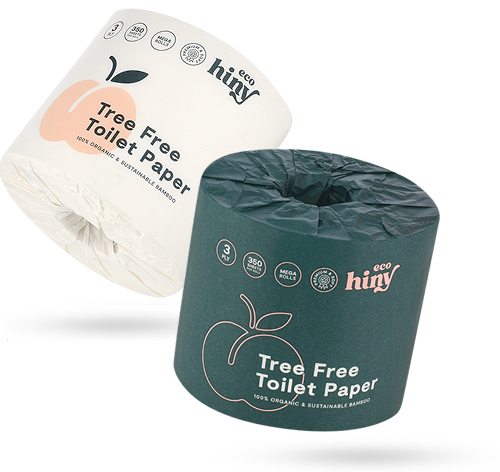
Our mission is to save one billion trees by making the switch to ecoHiny.
Why the FDA Is Acting Now
The recent move by the FDA to consider eliminating synthetic dyes from food products is driven by health concerns and public sentiment.
One of the primary health concerns linking synthetic dyes to adverse effects is their potential impact on childhood hyperactivity and ADHD. Studies suggesting a connection between the consumption of synthetic colorings and increased hyperactive behavior in children have raised significant concerns. (4)
Certain synthetic dyes have also been studied for their potential carcinogenic risks. For instance, Red No. 3, which has been used in various food items, was previously banned for use in cosmetics due to its cancer-causing properties. (5)
Some states have led the way, prompting the FDA to follow. In 2023, California passed a law that will eliminate certain additives and dyes from foods by 2027; a similar law was passed in 2024 to eliminate dyes from all school foods. Four other states, Virginia, West Virginia, Utah, and Arizona, also passed laws prior to FDA action. (6)
Their example is certainly a catalyst for broader, nationwide action.
Which Companies Are Leading the Change
Major players in the food industry have made significant pledges to reduce or eliminate synthetic dyes from their offerings.
According to the FDA Industry Tracker, here are some top brands currently progressing toward planned changes in their products (7):
- Conagra
- General Mills
- Mars
- Nestle
- PepsiCo
- Hershey
- Kraft Heinz
- WalMart
- Kellog
- In-N-Out (already eliminated color additives from certain beverages!)
Advocacy groups continue to influence the industry as well. Organizations like the Center for Science in the Public Interest (CSPI) urge companies to eliminate synthetic dyes, citing health concerns and the potential links to behavioral issues in children. (8)
3-ply 250 Sheetsand 2x absorption
What to Expect When Shopping
As regulations on artificial dyes take effect, consumers will notice some significant changes in the products they purchase.
One of the most obvious differences will be in the visual appeal of food items. The reality is, the foods you buy might not be so bright. While consumers may find that food colors appear less vibrant than they are accustomed to, it's essential to understand that these new color options will be derived naturally from sources such as fruits, vegetables, and spices.
In addition to the visual changes, product labels will increasingly highlight the absence of artificial dyes. Brands may adopt a "no artificial dyes" labeling strategy in an effort to assure shoppers their product aligns with the new initiative and is safe for consumption.
Another significant development is a ban on artificial dyes in schools and K-12 programs by the 2026–2027 school year. This initiative aims to create a healthier food environment for children in schools across the nation. School food programs can account for half of a student's daily caloric intake, so this ban is significant in the effort to make meals safer for students. (9)
The Bigger Picture: From Food Changes to Lifestyle Choices
The FDA bans bring light to making conscious decisions about what we consume, but what about exposure to other harmful additives? It's not just food we need to watch.
Reducing exposure to unnecessary chemicals found in everyday products and packaging is a powerful step toward fostering long-term wellness. By opting for cleaner, more natural ingredients, it's possible to minimize potential health risks and create a healthier lifestyle for ourselves and our families.
From choosing food items free of harmful additives to selecting eco-friendly personal care products and packaging, our collective decisions can lead to improved health outcomes and a more sustainable environment.
At ecoHiny, we understand the importance of these choices at home. Just as our food selections impact our health, the materials we use in our daily lives contribute to our overall well-being.
By turning to sustainable alternatives, such as bamboo toilet paper free from dyes, fragrances, toxic chemicals, and made from sustainable bamboo, we can reduce our exposure to harmful substances while also making more eco-conscious decisions.
Each sustainable swap we make, whether in our food or home products, brings us closer to a healthier lifestyle! Together, these changes can have a profound impact on our health and our planet.
Healthy, Eco-Conscious Living Starts at Home
As the FDA considers bans on certain food dyes, it's clear that consumers are becoming more conscious about the ingredients in the products they consume.
This growing demand for transparency and safety doesn't stop at food; it extends into the products we use in our daily lives, including personal hygiene products. Just as we advocate for safer ingredients in our meals, we can also make mindful choices in our homes to reduce our reliance on petroleum-based, chemical-laden paper products.
A simple switch to a more eco-conscious choice? Ditch traditional toilet paper for ecoHiny's bamboo option.
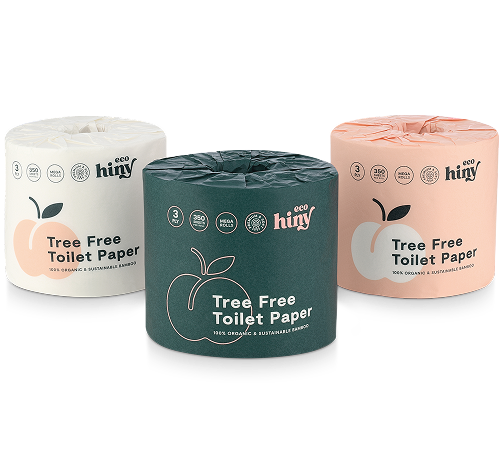
When you opt for ecoHiny, you're prioritizing your safety, health, and comfort. ecoHiny's toilet paper is not only free from harmful dyes and other synthetics, it's a tree-free option that promises the best in comfort and performance.
Intentional, eco-friendly choices, whether in the food aisle or the bathroom, pave the way for a healthier future.
Source:
- US Food and Drug Administration. "HHS, FDA to Phase Out Petroleum-Based Synthetic Dyes in Nation's Food Supply." FDA, 6 Dec. 2023, www.fda.gov/news-events/press-announcements/hhs-fda-phase-out-petroleum-based-synthetic-dyes-nations-food-supply.
- "Synthetic Food Dyes: Health Risks, History, and Policy." Center for Science in the Public Interest, https://www.cspi.org/page/synthetic-food-dyes-health-risks-history-and-policy.
- FDA. "FDA Approves Three Food Colors from Natural Sources." *FDA*, 13 Dec. 2021, www.fda.gov/news-events/press-announcements/fda-approves-three-food-colors-natural-sources.
- "New Report Shows Artificial Food Coloring Causes Hyperactivity in Some Kids." *Berkeley Public Health*, University of California, Berkeley, 13 Jul. 2021, publichealth.berkeley.edu/articles/spotlight/research/new-report-shows-artificial-food-coloring-causes-hyperactivity-in-some-kids.
- FDA. "FDA Revokes Authorization for Use of Red No. 3 in Food and Ingested Drugs." *FDA*, 20 Nov. 2023, www.fda.gov/food/hfp-constituent-updates/fda-revoke-authorization-use-red-no-3-food-and-ingested-drugs.
- McGowan, Maria. "States Moving to Prohibit Additives and Dyes in Food." *ASTHO*, Association of State and Territorial Health Officials, 18 Oct. 2023, www.astho.org/communications/blog/2025/states-moving-to-prohibit-additives-and-dyes-in-food/.
- FDA. "Tracking Food Industry Pledges to Remove Petroleum-Based Food Dyes." *FDA*, 30 Jan. 2023, www.fda.gov/food/color-additives-information-consumers/tracking-food-industry-pledges-remove-petroleum-based-food-dyes.
- Center for Science in the Public Interest (CSPI). "CSPI Urges Federal and State Regulators to Accelerate Progress on Food Dyes." CSPI, 3 Nov. 2022, www.cspi.org/press-release/cspi-urges-federal-and-state-regulators-accelerate-progress-food-dyes.
- PIRG Education Fund. "Removing Food Dyes from Our Children's School Meals: Low Cost, High Reward." PIRG, 24 Aug. 2023, pirg.org/edfund/articles/removing-food-dyes-from-our-childrens-school-meal-low-cost-high-reward/.
Premium Bamboo Toilet Paper
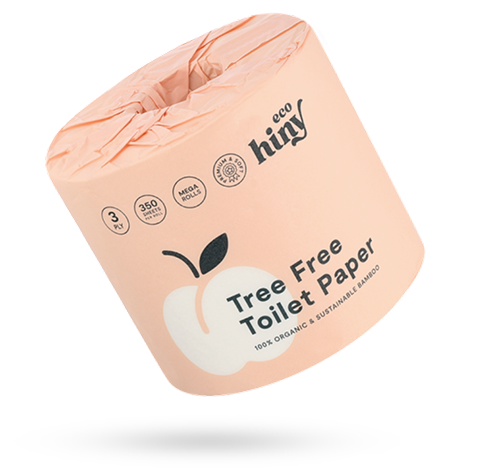
EcoHiny's 3-ply bamboo toilet paper.
From $39.99
Kind to you, Kind to the planet
Our mission is to save one billion trees by making the switch to ecoHiny.