

Contents
Key Points
- Greenwashing is when companies appear more eco-friendly than they actually are through misleading marketing rather than real environmental action.
- The practice exploits eco-conscious consumers who want to make environmentally responsible purchasing decisions.
- Greenwashing misleads consumers by using green language and imagery while targeting their trust and desire to make positive environmental choices.
- Greenwashing can hide harmful practices like deforestation, pollution, and waste behind positive environmental messaging.
- Consumers can identify greenwashing by looking for transparency, third-party certifications, and detailed information about the entire product lifecycle.
Consumers are actively seeking products and brands that align with their values now more than ever. With so many households looking to go green, brands are getting on board with the environmental values and sustainability expectations of their buyers. However, consumers should take caution.
Unfortunately, not every company with green messaging is actually green.
Some brands have adopted a superficial strategy, using eco-friendly language and imagery to appeal to eco-conscious consumers while their actual environmental impact tells a different story.
This practice, known as greenwashing, has become increasingly widespread. It exploits the trust of people who genuinely want to make a difference, turning sustainability into a marketing tool rather than a meaningful commitment.
Understanding how greenwashing works and learning how to spot it is essential for anyone who wants their purchasing decisions to truly support the planet.
What Is Greenwashing in Corporate Sustainability and Environmental Marketing?
Greenwashing is when a company tries to look more eco-friendly than it actually is. Instead of making real changes that help the planet, they put their energy into marketing and claims that sound good but don’t really mean much.
The key difference between greenwashing and authentic sustainability lies in substance versus perception.
True sustainability means making real commitments, sharing clear data, and meeting trusted environmental standards.
Genuine sustainable brands look at the whole picture, from how products are made to how they’re used and disposed of. They back up their claims with real numbers and honest reporting. (1)
Once you know what to look for, it’s easier to tell which companies are actually making a difference and which are just using green language.
Kind to you, Kind to the planet
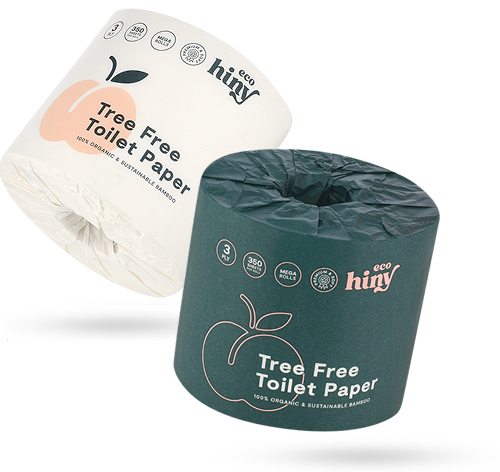
Our mission is to save one billion trees by making the switch to ecoHiny.
Why Do Corporate Brands Engage in Greenwashing Instead of Real Sustainability?
It’s easy for brands to get caught up in buzzwords they believe will boost sales. On the surface, it’s obvious that there’s financial gain in appealing to a broader audience. The more consumers switch to sustainable products, the more businesses are likely to mold perceptions of their brands to appear more eco-friendly. However, other factors are at play.
A lot of greenwashing happens because companies just don’t have good information about what they’re actually doing. Without solid data tracking their practices from start to finish, it’s easy to focus on one area and forget about larger environmental issues.
This information gap makes it easy for misleading claims to slip through. Many companies also don’t understand what scale of change is needed. Slow, gradual improvements are positive, but they can stagnate and delay real transformation.
Add to that a lack of accountability and no real consequences for making misleading claims, and it’s easy for companies to look sustainable on paper without making any meaningful change. (2)
How Does Greenwashing Mislead Eco-Conscious and Environmentally Aware Consumers?
Greenwashing works so well because it targets people who really want to make good choices. By outwardly presenting the language and appearance of real sustainability, it plays on your trust rather than giving you the facts.
Studies show that sustainable purchasing provides emotional satisfaction beyond the function of the product itself. The emotional value that comes from making environmentally responsible choices contributes to overall well-being and satisfaction. (3)
If you care about the planet, you want to believe what brands say. But when companies take advantage of that, it becomes harder to trust any green claims.
Over time, greenwashing makes it harder for truly sustainable brands to stand out. When more people are let down by false claims, it’s tough to know who to trust, and that hurts the companies that are actually making a difference.
3-ply 250 Sheetsand 2x absorption
What Is the Environmental Impact of Corporate Greenwash Practices?
Greenwashing doesn’t just mislead people; it can actually slow down real progress for the planet.
One of the biggest problems is that it lets companies appear to care about the environment without actually changing how they operate. This means less pressure for real improvements. When companies aren’t honest, it’s tough to track real progress or hold anyone accountable.
Greenwashing also has a tendency to hide actual damage being done. When companies cover up harmful practices with green messaging, things like deforestation, pollution, and waste can keep happening unbeknownst to the public. (4)
How Can Consumers Identify Greenwashing vs Genuine Environmental Sustainability?
To spot greenwashing, you have to look past the marketing and focus on what’s real.
Start by checking if a brand is open about what they do. The best brands explain exactly how their products help the environment, not just make big promises.
Look for third-party certifications from trusted organizations. These help make sure the claims are real and not just marketing.
Brands that openly discuss sourcing, manufacturing, transportation, and end-of-use impacts demonstrate a more complete understanding of sustainability than those that focus on a single “green” feature.
At ecoHiny, rather than relying on vague environmental language, we try to emphasize clear explanations of materials, sourcing, and environmental trade-offs.
How Does ecoHiny Avoid Corporate Greenwashing Altogether?
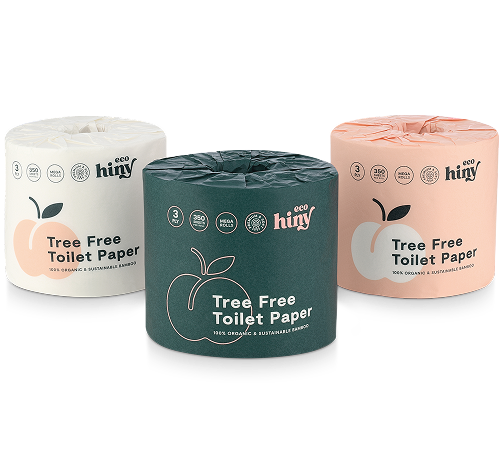
ecoHiny is all about real sustainability, not just marketing. As a bamboo toilet paper company, our focus is on ensuring that our values match our actions.
ecoHiny is committed to choosing better materials and being honest with customers. By using bamboo, a fast-growing, highly renewable resource, we’re addressing the damage of deforestation caused by the traditional toilet paper industry.
At ecoHiny, we’re confident that our efforts are paying off in environmental dividends. We’re here to help you make choices you can actually feel good about.
ecoHiny: A Brand Eco-Conscious Consumers Can Trust
In a marketplace full of misleading claims, finding brands you can actually trust matters more than ever.
Every purchase of ecoHIny is a chance to support real change. When it comes to household essentials like toilet paper, you don’t have to choose between sustainability and quality, or worry about being misled by greenwashing.
ecoHiny offers a straightforward solution: bamboo toilet paper that’s soft, strong, and genuinely better for the planet.
If you’re ready to make a choice that aligns with your values, ecoHiny is here to make that easy! Start your sustainable bathroom routine today and feel good about every roll.
Source:
- United Nations. "Greenwashing – the Deceptive Tactics behind Environmental Claims." United Nations, www.un.org/en/climatechange/science/climate-issues/greenwashing.
- Perks, Jason. "Greenwashing: 6 Reasons Why Businesses Do It." DNV, www.dnv.us/article/greenwashing-6-reasons-why-businesses-do-it-238555/.
- Wang, Jianming et al. “The Impact of Positive Emotional Appeals on the Green Purchase Behavior.” Frontiers in psychology vol. 13 716027. 2 Jun. 2022, doi:10.3389/fpsyg.2022.716027.
- "The Truth behind Greenwashing in Marketing." Just Zero, 20 Mar. 2025, just-zero.org/our-stories/video/the-truth-behind-greenwashing-in-marketing/.
Premium Bamboo Toilet Paper
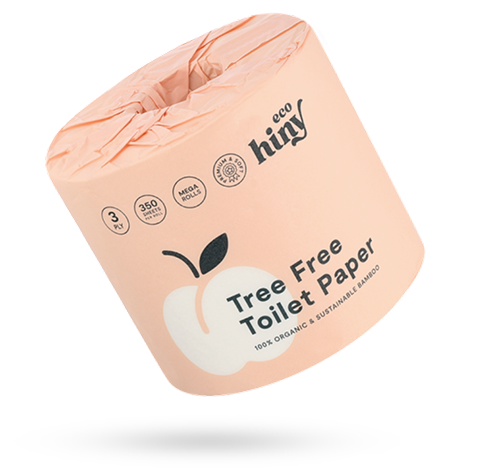
EcoHiny's 3-ply bamboo toilet paper.
From $39.99
Kind to you, Kind to the planet
Our mission is to save one billion trees by making the switch to ecoHiny.