
Contents
Key Points
- Bamboo is a grass, not a tree, making it a highly renewable resource for toilet paper.
- Bamboo’s rapid regrowth after harvesting and efficient land use contribute to its sustainability.
- Harvesting bamboo helps reduce deforestation and has a lower impact on habitats and ecosystems than traditional tree-based toilet paper.
- ecoHiny uses responsibly sourced bamboo, ensures no toxic chemicals or plastics, and offers biodegradable, hypoallergenic, and septic-safe toilet paper.
- Choosing bamboo toilet paper supports environmental responsibility, reduces deforestation, and is a practical step toward a greener future.
Many people are surprised to learn that, despite its tall, woody, and leafy appearance, bamboo is actually a grass, not a tree. This fact is central to understanding why it’s a super sustainable material.
If you’ve ever thought bamboo was a tree, you’re not alone! It’s a common misconception, but this mix-up isn’t just in linguistics; knowing that bamboo is a grass can actually help us understand why it’s such a smart, sustainable choice for your home.
Is Bamboo a Grass? Why That Matters for Bamboo Toilet Paper
Bamboo is part of the grass family, Poaceae, which makes it very different from the hardwood trees typically used for paper products. The fact that bamboo is a grass means it grows, regenerates, and its use impacts the environment in a uniquely positive way.
Bamboo’s biology allows for rapid regrowth after harvesting, efficient land use, and a much smaller impact on deforestation compared to hardwood tree harvesting. These biological traits directly influence the sustainability of bamboo products.
At ecoHiny, we’re passionate about making sustainable choices simple. By using bamboo instead of trees, we offer toilet paper that’s gentle on the environment yet tough enough to tackle your family’s needs.
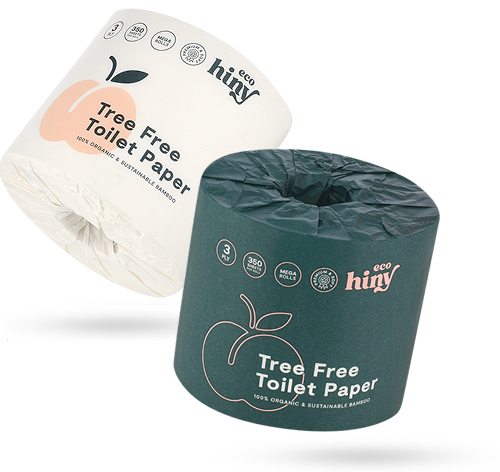
Kind to you, Kind to the planet
Our mission is to save one billion trees by making the switch to ecoHiny.
Is Bamboo a Grass or a Tree? What Does Bamboo Classification Tell Us?
Scientifically speaking, bamboo is part of the Poaceae family; it’s the same group as grasses like wheat, corn, rice, oats, and sugarcane. (1)
Bamboo grasses have hollow, jointed stems and grow from underground roots called rhizomes. Unlike trees with solid trunks and branches, grasses like bamboo are flexible. (2) Its special way of growing from these root systems helps it spread quickly and regrow after cutting, just like other grasses.
Every bamboo shoot grows straight from its underground roots and matures in just a few months. It’s one of the fastest-growing plants on the planet and has the ability to thrive in diverse climates and soil conditions. (3)
Does Bamboo Harvesting Reduce Deforestation Compared to Tree-Based Paper?
Harvesting bamboo is an optimal way to help reduce deforestation! Traditional toilet paper comes from mature hardwood trees that take decades to grow back.
Cutting down these trees destroys habitats, disrupts ecosystems, and speeds up biodiversity loss. Deforestation also leads to soil erosion and reduces the amount of carbon and water the land can hold. (4)
Because bamboo is a grass, harvesting is much less invasive. After cutting, bamboo grows back quickly from its underground roots, so there’s no need to replant. This means the same bamboo stand can keep producing without disrupting soil or destroying critical carbon sinks, which happens when critical forests are cut down. Also, bamboo’s strong root systems help keep soil in place, fighting against erosion.
When you choose bamboo toilet paper, you help protect habitats, support healthy soil, and keep nature in balance; that’s not the case with traditional toilet paper production.
Why Is Bamboo Toilet Paper More Sustainable Than Tree Paper?
As environmental awareness grows, many consumers are looking for better alternatives to traditional paper products, especially for daily single-use items like toilet paper.
Bamboo has emerged as a promising solution, but what makes it truly more sustainable than its tree-based counterpart?
Let’s compare:
Bamboo (Grass-Based Fiber)
- Rapid renewability
- No replanting required
- Lower land use
- Carbon absorption advantages
- Reduced water use
Tree-Based Paper
- Long regeneration time
- Animal habitat destruction
- Forest ecosystem disruption
- Elimination of critical carbon sinks
- Chemicals and plastics required for production and packaging
Bamboo toilet paper simply offers substantial environmental advantages. When it comes to sustainability, bamboo toilet paper is a clear winner over traditional tree-based options.
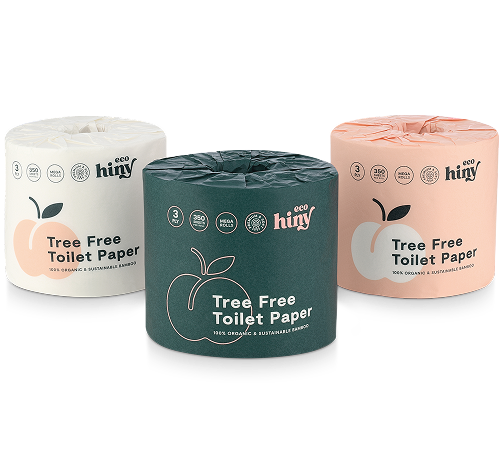
3-ply 250 Sheetsand 2x absorption
What Role Does Bamboo Planting Play in Long-Term Sustainability?
Bamboo planting is a smart step toward long-term sustainability. Managed bamboo farms are set up to get the most out of their crops while keeping the environment healthy through eco-conscious practices.
Only mature bamboo stalks are harvested, so shoots remain in the ground and continue to grow. Because of this, bamboo patches can thrive without harming the ecosystem, unlike traditional logging, which removes entire trees and disrupts habitats.
Traditional toilet paper often means clearing forests, but bamboo is grown more like a crop, where farmers can plan and rotate harvests. Bamboo is also super efficient; it produces more usable material per acre than most trees, so there’s less need to clear extra land. (5)
Since bamboo grows fast and produces plenty of fiber, it helps reduce the need for virgin hardwood pulp in paper products. Managed bamboo grass crops are a powerful way to care for our land, forests, and other natural resources.
How Does ecoHiny Use Bamboo’s Natural Advantages?
ecoHiny is all about making eco-friendly bamboo toilet paper that’s good for the planet and works great for your family!
Our approach to toilet paper production means reducing reliance on slow-growing (and vital!) hardwood trees. We prefer forests stay intact, so ecoHiny only uses fiber from responsibly sourced bamboo farms certified by the Forest Stewardship Council.
The FSC label on every box ensures that we’re upholding the guiding principles of social awareness, environmental responsibility, and positive economic effects from farming.
Other advantages of ecoHiny? Bamboo is naturally antibacterial and hypoallergenic, making it safe for all skin types. Dyes, fragrances, and toxic chemicals do not make an appearance in our product, and our wrappers and packaging are 100% plastic-free.
ecoHiny’s toilet paper is also biodegradable and septic-safe. It breaks down quickly and safely, so you can feel good about your choice even after you flush.
We’re proud to turn these natural advantages into a practical, eco-friendly product for your home!
Why Does It Ultimately Matter That Bamboo Is a Grass?
Bamboo’s unique biology allows it to be harvested again and again without harming the plant or the land. It regrows from its roots, keeping fields productive year after year without additional clearing.
From the way it grows to how it’s managed, bamboo is truly a planet-positive crop compared to hardwood tree harvesting.
By choosing bamboo toilet paper over traditional toilet paper, you’re opting for a fiber that’s fast-growing and built for long-term sustainability. It isn’t just an alternative; it’s a smarter, more sustainable choice. Making the switch means doing your part to protect the planet.
Source:
- Florida Wildflower Foundation. “Family Profile: Poaceae.” Florida Wildflower Foundation, https://www.flawildflowers.org/family-profile-poaceae/.
- Bamboo Bioproducts. “Bamboo Anatomy.” Bamboo Bioproducts, 17 Feb. 2022, https://www.bamboobioproducts.com/post/bamboo-anatomy.
- World Bamboo Organization. “What Is Bamboo?” World Bamboo Organization, https://www.bamboo.org/what-is-bamboo/.
- United Nations Environment Programme. “How Halting Deforestation Can Help Counter the Climate Crisis.” UNEP, 4 Nov. 2021, https://www.unep.org/news-and-stories/story/how-halting-deforestation-can-help-counter-climate-crisis.
- Buckingham, Kathleen Carmel et al. “Can't see the (bamboo) forest for the trees: examining bamboo's fit within international forestry institutions.” Ambio vol. 43,6 (2014): 770-8. doi:10.1007/s13280-013-0466-7.
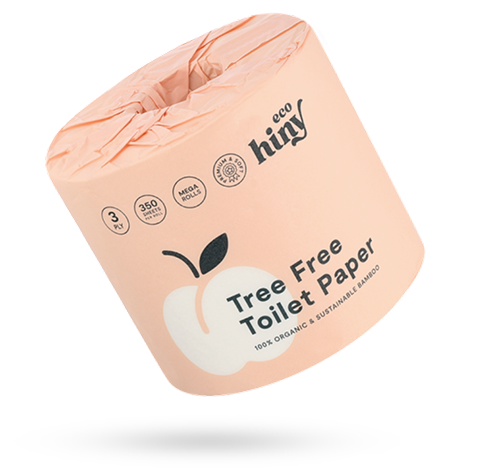
Premium Bamboo Toilet Paper
EcoHiny's 3-ply bamboo toilet paper.
From $39.99
Kind to you, Kind to the planet
Our mission is to save one billion trees by making the switch to ecoHiny.