

Key Points
- Understanding the difference between carbon neutrality and carbon negativity is crucial for effective climate action and for making informed choices.
- Achieving carbon neutrality involves reducing emissions as much as possible.
- Carbon negative goes beyond neutrality by removing more carbon from the atmosphere than is emitted.
- Consumers play a key role by choosing products and companies that prioritize sustainability, encouraging wider adoption of climate-positive practices.
- Mindful purchasing and collective consumer actions drive businesses to be more accountable for their environmental impact.
Knowing the difference between carbon-neutral and carbon-negative matters. Each one is a unique approach to fighting climate change and decreasing greenhouse gas emissions.
When you understand what these terms mean, it’s possible to set bigger climate goals and choose the best ways to make a real impact. Being clear about these terms also helps prevent greenwashing and keeps climate action honest and transparent.
Knowing the difference means making smarter and more sustainable choices. Whether you’re a policymaker or an eco-conscious consumer, understanding carbon emissions helps everyone see which efforts really make a difference. As more individuals than ever seek brands that truly care about the planet, customers want to support companies committed to reducing negative environmental impacts.
At ecoHiny, we stand by our mission to make real change.
As an eco-friendly toilet paper company, we’re working to shrink our carbon footprint and reduce the waste typically associated with the traditional toilet paper industry.
By choosing bamboo, a fast-growing, renewable resource, and focusing on sustainable practices, we’re working toward taking real action for the planet.
When you know what carbon neutral and carbon negative really mean, it’s easier to choose products that match your values and push companies to continue setting broader goals in mitigating their carbon output.
What does carbon neutral mean?
Carbon neutrality means balancing out the greenhouse gases you create with the ones you remove from the atmosphere. It starts with knowing your carbon footprint.
A carbon footprint includes the environmental impact of everyday actions. For example, transportation emissions, energy consumption, family size, and even food consumption are factors that affect individuals' carbon footprints. (1)
If a company, product, or even a person is carbon neutral, it means they’ve measured their emissions and taken steps to offset the same amount, resulting in a net-zero carbon footprint. It’s a big step for anyone who wants to lower their impact and help fight climate change! (2)
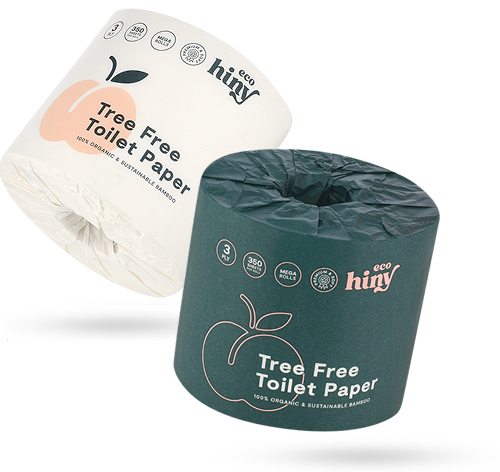
Kind to you, Kind to the planet
Our mission is to save one billion trees by making the switch to ecoHiny.
Carbon and Companies
To figure out their carbon footprint, companies look at three types of emissions: Scope 1 includes direct emissions from things they own, like vehicles; Scope 2 regards indirect emissions from the energy they buy, and Scope 3 includes everything else, like supplier emissions, waste, and employee commutes. Knowing the difference helps companies measure and cut down their total emissions more effectively.
One key way to reach carbon neutrality is by using carbon offsets. Carbon offsets let companies balance out emissions they can’t avoid by supporting projects that cut or remove greenhouse gases somewhere else.
Planting trees, developing renewable energy, and responsible waste and landfill management are common carbon offset projects. (3) Offsetting is especially helpful for certain industries where some emissions are tough to get rid of completely.
To get certified as carbon neutral, companies start by measuring their emissions in all areas. Next, they work to cut emissions as much as possible by improving efficiency, switching to renewable energy, and using sustainable practices. Then, the company must compensate for any remaining emissions by purchasing certified carbon credits. (4)
Third-party verification and continued recertification create consistency and accountability.
What does carbon negative mean?
Being carbon negative means going beyond carbon neutrality.
Instead of just balancing out emissions, carbon-negative is about removing more carbon from the air than you emit.
It’s possible (and important!) to cut back on carbon emissions by using renewable energy, being more efficient, or improving transportation, but to be carbon negative, you need to go further and pull existing carbon out of the atmosphere. How is this possible?
Reforestation efforts, one of our personal favorites, are a natural way. Trees absorb and store carbon as they grow, so replacing trees in the environment increases carbon sequestration, not to mention the other benefits of revitalizing forested lands, such as protecting animal habitats and promoting biodiversity.
Farming methods to increase the carbon content of soil are another successful way to store carbon for hundreds or even thousands of years. By adding biochar, a charcoal made by heating organic waste materials that contain carbon dioxide, to agricultural soil, farmers increase the carbon sequestration capabilities of the land. (5)
There are also high-tech options being developed, such as direct air capture machines that pull carbon from the air and store it underground. (6)
When you compare carbon-neutral and carbon-negative, you see the difference in impact. Carbon neutrality keeps us from adding more greenhouse gases, which helps stop global warming from getting worse.
Carbon-negative actions actually pull carbon out of the air, helping repair the damage that’s already been done.
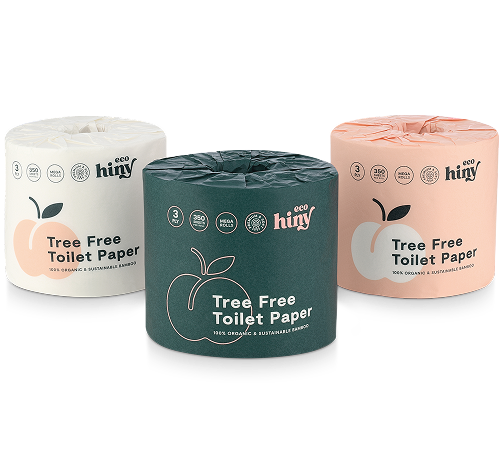
3-ply 250 Sheetsand 2x absorption
Why does reducing your carbon footprint matter for consumers?
While your carbon footprint is the total amount of greenhouse gases created by your daily activities, don’t forget that it includes the products that you buy.
Every product you choose has an impact, from how it’s made to how it’s delivered and even how it’s thrown away. The resources used, the energy consumed, and the waste produced all contribute to that product’s overall footprint.
By choosing sustainable materials and supporting companies that are truly committed to carbon neutrality or even have climate-negative goals, you help shift demand toward greener production practices that result in a healthier planet!
Reducing those immediate emissions is only part of the benefit. Addressing your carbon footprint through mindful purchasing encourages the development of better alternatives and innovative climate solutions across all industries. Your small, thoughtful choices really do add up over time.
When more people take these steps, it sends a powerful message to companies that consumers care about sustainability. Our collective effort as eco-conscious consumers encourages more businesses to improve and become accountable for their environmental impact.
How is ecoHiny contributing to climate positive impact?
ecoHiny is on a mission to make sustainable living easier for everyone. By choosing bamboo, a renewable and fast-growing resource, we reduce waste and combat deforestation compared to the traditional toilet paper industry.
In addition to using highly renewable bamboo, we focus on sustainable packaging, transparent shipping practices, and ongoing efforts to lower our carbon footprint.
Our goal is to support a climate-positive future and help you make choices that matter.
If you’re ready to start reducing your carbon footprint, try our simple solution: switch to ecoHiny eco-friendly bamboo toilet paper. It’s the smart, sustainable choice for a traditional toilet paper alternative.
Align your household purchasing power with your pro-climate goals by adding ecoHiny to your home today!
Source:
- Forest Stewardship Council. “What Is a Carbon Footprint?” FSC, 24 Jan. 2023, https://fsc.org/en/blog/what-is-a-carbon-footprint#what-contributes-to-carbon-footprints.
- United Nations Framework Convention on Climate Change. “A Beginner’s Guide to Climate Neutrality.” UNFCCC, 16 Nov. 2020, https://unfccc.int/news/a-beginner-s-guide-to-climate-neutrality.
- Massachusetts Institute of Technology. “Carbon Offsets.” MIT Climate Portal, 31 May 2022, https://climate.mit.edu/explainers/carbon-offsets.
- Change Climate. “2025 Standard.” ChangeClimate.org, https://www.changeclimate.org/2025-standard.
- Carbon Direct. “What Is Biochar? A Carbon Removal Solution Gaining Ground.” Carbon Direct, 27 Feb. 2023, https://www.carbon-direct.com/insights/what-is-biochar-a-carbon-removal-solution-gaining-ground.
- World Resources Institute. “Direct Air Capture: Resource Considerations and Costs for Carbon Removal.” WRI, 14 Oct. 2022, https://www.wri.org/insights/direct-air-capture-resource-considerations-and-costs-carbon-removal.
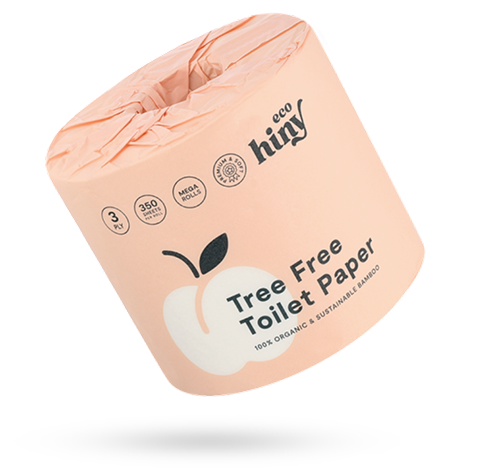
Premium Bamboo Toilet Paper
EcoHiny's 3-ply bamboo toilet paper.
From $39.99
Kind to you, Kind to the planet
Our mission is to save one billion trees by making the switch to ecoHiny.